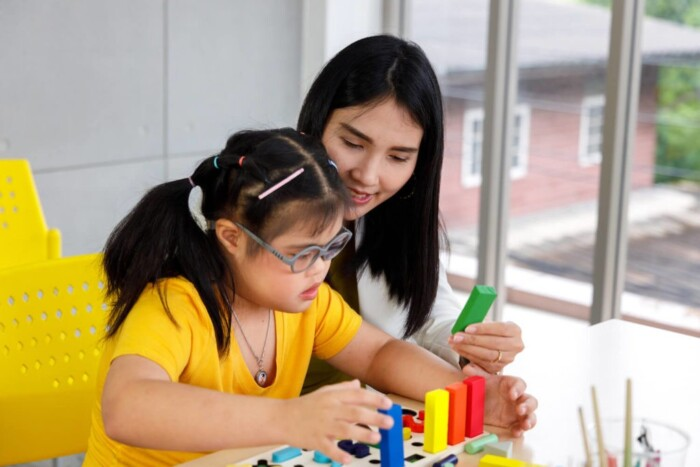
Children with special needs in institutional care require focused and individualized attention due to a variety of physical, cognitive, and medical conditions. Observations from several homes across the country reveal children living with Down Syndrome, cerebral palsy, developmental delays, delayed motor and mental milestones, macrocephaly, microcephaly, and spasticity. Many children face visual impairments, ranging from partial to complete blindness, and ocular conditions such as retinal disease or squint. Hearing impairments, including partial or severe hearing loss, as well as children who are deaf-mute, are also common.
Several children require medical supervision for congenital or chronic conditions such as heart defects, cleft palate, obstructive hydrocephalus, Lumbal Meningomyelocele, thalassemia, congenital Talipes, and arthrogryposis. Some are HIV-positive or have other serious health concerns, while others were born prematurely, underweight, or with delayed development.
Message
Providing appropriate care involves continuous medical intervention, physiotherapy, speech and occupational therapy, special education, nutritional support, and psychosocial care. Institutional caregivers must adopt individualized care plans to ensure these children reach their fullest potential, remain healthy, and are prepared for integration into family-based or foster care whenever possible.

 Safe Childhood India
Leave a comment