Compassion and empathy are complementary
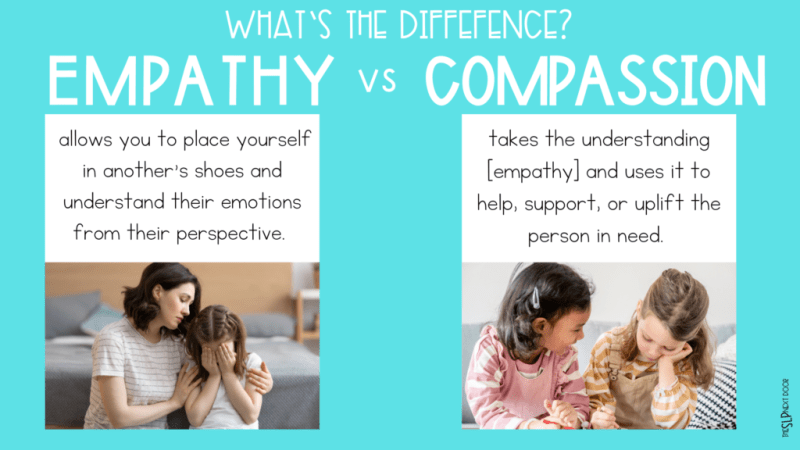
Compassion and empathy are complementary qualities that together form the ethical and emotional foundation of effective social work with children. Empathy enables social workers to understand a child’s emotions, experiences, and perspectives, especially in cases involving trauma, neglect, disability, or separation from family. By recognising what a child feels and why they feel that way, social workers can build trust, ensure emotional safety, and give genuine space to the child’s voice.
Compassion extends this understanding into deliberate and responsible action. It reflects the commitment to respond to a child’s needs through protection, care, and long-term rehabilitation. Compassion drives interventions such as medical support, therapy, education, and placement in family-based care, while also guiding difficult decisions that prioritise the child’s best interests over convenience or delay.
When empathy exists without compassion, support may remain emotionally sensitive but ineffective. When compassion operates without empathy, interventions risk becoming procedural or detached. Used together, empathy informs understanding and compassion ensures action. This balance allows social workers to remain emotionally connected without losing professional judgment.
Message
By integrating empathy with compassion, child-centred practice becomes both humane and effective, ensuring that children receive not only understanding but also meaningful care, protection, and opportunities for healing and development.

 Safe Childhood India
Leave a comment