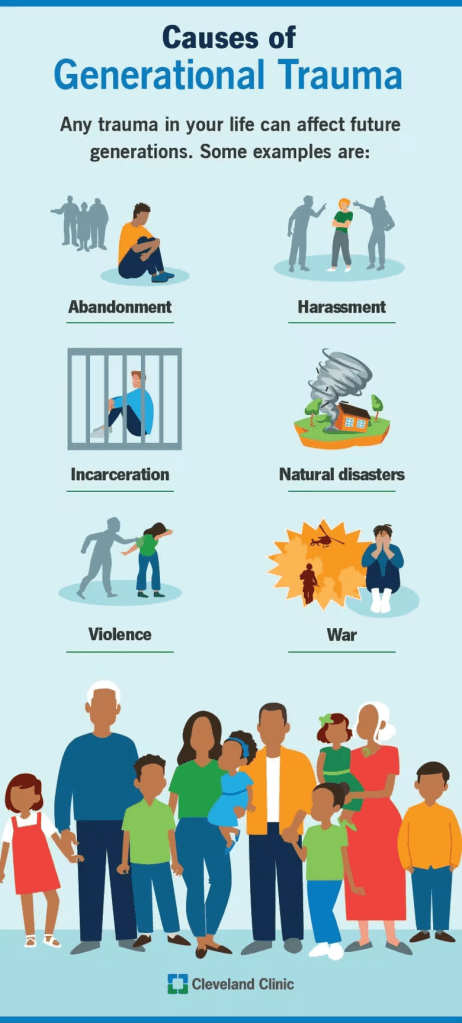
Intergenerational trauma refers to psychological and emotional wounds that are transmitted from one generation to the next when trauma remains unaddressed. Experiences such as abandonment, neglect, violence, poverty, substance abuse, displacement, or prolonged institutionalisation alter a caregiver’s emotional responses and coping mechanisms. Children raised in such environments absorb fear, insecurity, and distress, even if they have not directly faced the original trauma. Over time, these patterns repeat, creating cycles of vulnerability across generations.
The Juvenile Justice (Care and Protection of Children) Act, 2015 provides a legal framework to interrupt this cycle. Under Section 2(14), Children in Need of Care and Protection include those who are abandoned, neglected, abused, or living in vulnerable family conditions—the very contexts through which intergenerational trauma is transmitted. The Act empowers Child Welfare Committees to assess each child’s best interests and order care, counselling, protection, and rehabilitation.
Crucially, the JJ Act prioritises family-based and non-institutional care—adoption, foster care, sponsorship, and aftercare—over long-term institutionalisation. These measures provide stable, nurturing environments essential for emotional healing. Provisions for counselling and aftercare up to 21 years (extendable to 23) ensure continuity of support. In this way, the JJ Act is not only responsive to immediate harm but also preventive, ensuring that trauma does not become a legacy passed from one generation to the next.

 Safe Childhood India
Leave a comment