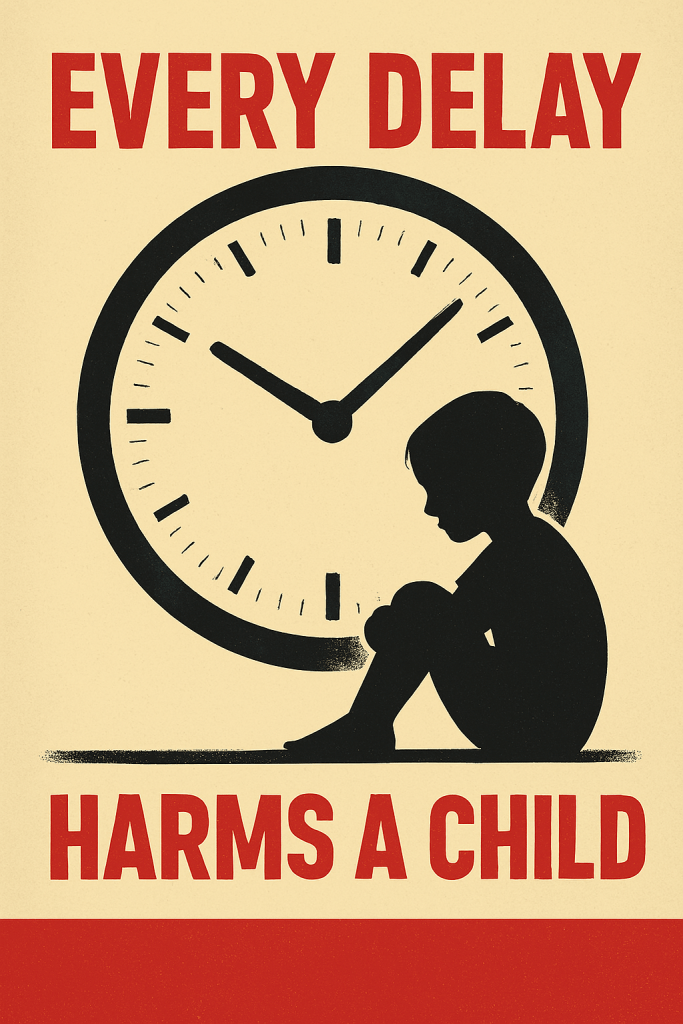
Childhood does not pause while systems deliberate. Every record placed on a desk represents a child whose life has been shaped by abuse, neglect, or abandonment—experiences that leave lasting emotional and psychological harm. These children are not defined by documentation; they are individuals in urgent need of safety, stability, and care.
Administrative delays in assessments, decisions, or placements have real consequences. Prolonged uncertainty deepens trauma, disrupts emotional recovery, and weakens a child’s sense of trust and belonging. For children who have already experienced loss and harm, timely intervention is not merely a procedural requirement—it is a critical protective measure.
The principle of the best interests of the child must guide every action. It is not symbolic or procedural but a substantive obligation that requires informed judgment, sensitivity, and prompt decision-making in full compliance with legal and regulatory frameworks. Each determination made within the system shapes a child’s opportunity to experience family life, emotional security, and healthy development.
Swift, coordinated responses by Child Welfare Committees, caregivers, adoption professionals, and institutions can alter life trajectories. When decisions are timely and child-centred, systems become pathways to healing rather than sources of further harm. Every moment matters. Each decision carries lasting implications for a child’s ability to heal, belong, and grow. Ensuring that processes remain humane, responsive, and accountable is essential—because for every child waiting, healing truly cannot wait.
Message
Intentions matter, but actions must always remain lawful, ethical, and child-centred. In child protection, good intentions alone are insufficient. Actions must be guided by law, ethics, and the best interests of the child to ensure safety, dignity, and accountability.

 Safe Childhood India
Leave a comment