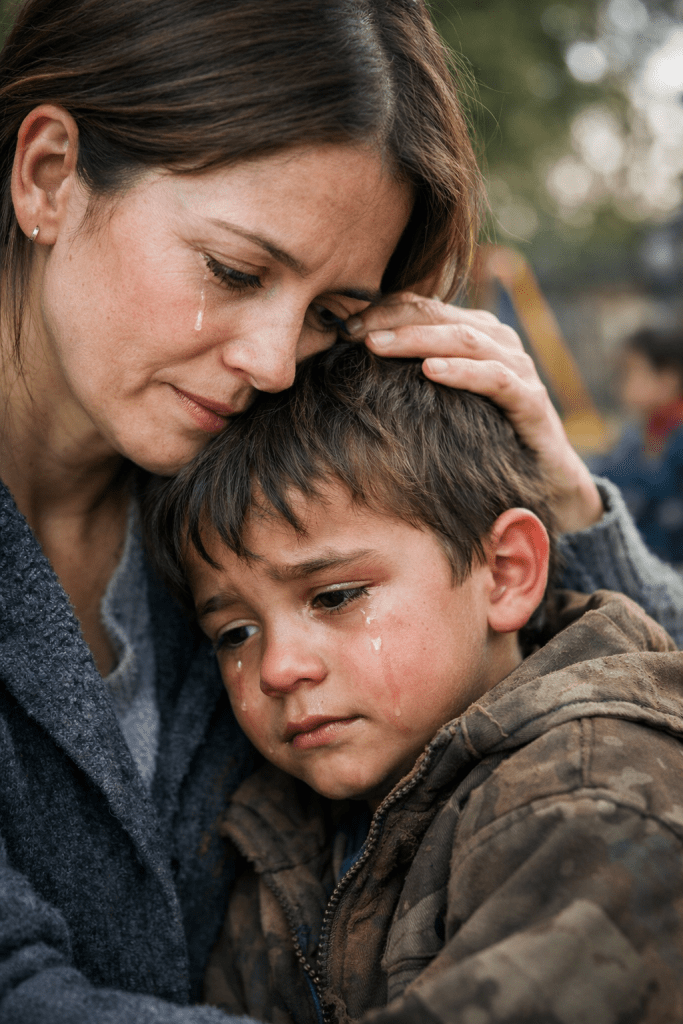
I have often noticed that when a person cries or weeps, tears flow from both eyes, as if they are inseparable. An ophthalmologist once explained that trauma to one eye can sometimes affect the other—a condition known as a sympathetic eye. This offers a powerful metaphor for understanding the lives of deprived children.
Children who are deprived of care, protection, or affection carry wounds that may not always be visible. Yet their pain rarely remains confined to them alone; it affects families, institutions, and society at large. A sympathetic eye in human relations means recognising these silent injuries and responding with empathy rather than indifference or blame. It calls for patience, sensitive listening, and an understanding of the social and emotional contexts that shape a child’s behaviour. When caregivers, professionals, and institutions approach deprived children with empathy, they establish trust, initiate healing, and create avenues for restoration. Ultimately, caring for deprived children is not just an act of compassion—it is a collective responsibility that reflects our shared humanity.


 Safe Childhood India
Leave a comment