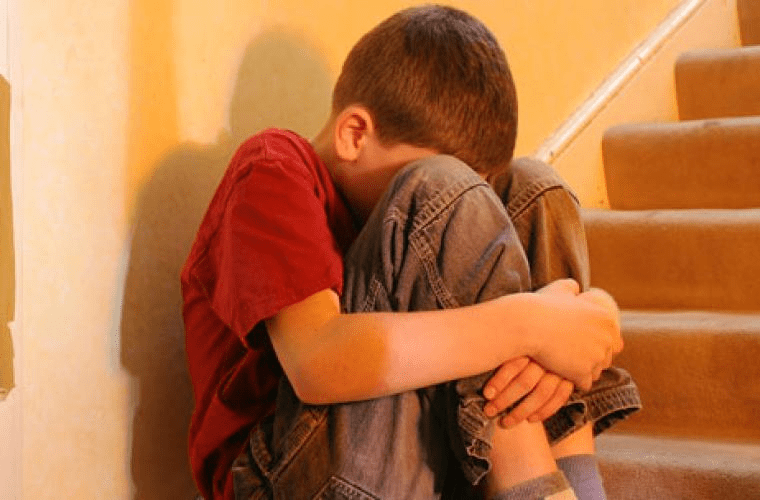
Institutions are not designed for children—and yet millions of children around the world grow up in them. From infancy through adolescence, institutional care exposes children to environments that deny them what they need most: love, stability, and human connection. Even when basic needs such as food and shelter are met, children in institutions often experience neglect, emotional deprivation, and a lack of consistent caregiving.
Children do not develop through routines and regulations; they develop through relationships. Institutional settings, with rotating staff, overcrowding, and rigid schedules, make it almost impossible for children to form secure attachments. Frequent transfers between facilities and constant changes in caregivers disrupt emotional development, impair trust, and leave lasting scars on mental health, learning, and behaviour.
The harm caused by institutionalisation is not inevitable—it is systemic. Institutions prioritise administration over affection and efficiency over empathy. As a result, children are reduced to numbers rather than recognised as individuals with unique emotional needs.
The good news is clear: children are remarkably resilient. When given the opportunity to grow up in families—whether biological, foster, adoptive, or kinship care—they begin to heal, thrive, and reclaim their childhoods. This evidence demands action.
Message
It is time to move away from institutional care and invest decisively in family-based alternatives, community support systems, and policies that place the child—not the institution—at the centre. Ending institutionalisation is not just good policy; it is a moral obligation.

 Safe Childhood India
Leave a comment